As temperatures drop across New Jersey, homeowners are turning up their thermostats and preparing for another cold Northeast winter. Unfortunately, keeping your home warm can come with an unwelcome surprise: a higher heating bill.
If you’ve noticed your heating costs increasing, you’re not alone. Between fluctuating energy prices, freezing outdoor temperatures, and inefficient heating systems, winter can put a significant strain on household budgets.
According to the U.S. Energy Information Administration’s 2026–2027 Winter Fuels Outlook, national household spending on electric heating is projected to increase by approximately 4%, while heating oil expenses could rise by around 21%. These projections highlight how energy costs can affect household budgets during the colder months, although actual expenses vary depending on fuel type, local utility rates, weather conditions, and energy consumption.
But utility rates aren’t the only reason your heating bill may be higher than expected. The condition of your HVAC system, thermostat settings, insulation, and everyday habits can all affect how much energy your home consumes.
At Air Professionals Heating & Air Conditioning, we help homeowners throughout Hunterdon, Somerset, Morris, and Warren counties maintain reliable, efficient heating systems. Whether you’re looking to reduce energy consumption or improve your home’s comfort, these seven practical tips can help you prepare for the winter ahead.
1. Schedule Professional Heating Maintenance
One of the most effective ways to support heating efficiency is to schedule regular professional heating maintenance.
Over time, dust buildup, worn components, and mechanical issues can affect your furnace or heat pump’s performance. When your system isn’t operating as intended, it may need to run longer or work harder to maintain your desired indoor temperature.
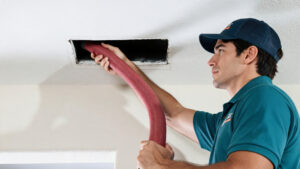
During a professional heating maintenance appointment, an HVAC technician can inspect essential components, evaluate system performance, identify potential issues, and help ensure your equipment is functioning properly.
Benefits of regular heating maintenance include:
- Supporting efficient heating system performance
- Identifying minor problems before they become costly repairs
- Reducing the likelihood of unexpected breakdowns
- Supporting equipment longevity
- Helping maintain consistent indoor comfort
For New Jersey homeowners, scheduling annual maintenance before or during heating season can help identify potential problems before temperatures reach their lowest.
2. Adjust Your Thermostat Settings
Your thermostat settings can have a significant impact on your winter energy consumption.
The U.S. Department of Energy recommends using energy-saving thermostat settings to reduce unnecessary heating. For many households, approximately 68°F while awake and at home can be a reasonable starting point, although individual comfort needs vary.
A programmable or smart thermostat can help automate temperature adjustments based on your daily schedule, reducing heating demand when your home is unoccupied.
Helpful thermostat tips include:
- Avoid setting your thermostat higher than necessary.
- Program temperature adjustments around your daily routine.
- Consider upgrading to a programmable or smart thermostat.
- Avoid frequent, unnecessary temperature changes.
- Make sure your thermostat is compatible with your heating equipment.
For homeowners using heat pumps, thermostat settings are especially important. Large temperature setbacks can sometimes activate auxiliary heating, increasing electricity consumption. Regular heat pump maintenance and appropriate thermostat settings can help support efficient operation throughout the winter.
3. Replace Dirty HVAC Air Filters
A clogged air filter may seem like a minor issue, but it can contribute to higher heating costs.
When an HVAC filter becomes excessively dirty, it can restrict airflow through your heating system. Restricted airflow may reduce performance, affect indoor comfort, and place additional strain on equipment.
Homeowners should inspect their HVAC filters regularly and replace them according to manufacturer recommendations.
How often you need to replace your filter depends on several factors, including:
- The type and thickness of the filter
- Whether you have pets
- Household dust levels
- How frequently your heating system operates
- Manufacturer recommendations
Keeping filters clean is a simple maintenance task that can help support proper airflow and efficient system operation.
During a professional furnace maintenance appointment, technicians can also inspect components that may be affecting airflow, heating performance, and overall system efficiency.
4. Seal Drafts and Reduce Heat Loss
If your heating system seems to run constantly, your home may be losing heat faster than it should.
Drafty windows, poorly sealed doors, insufficient insulation, and gaps around plumbing or electrical penetrations can allow warm indoor air to escape and cold outdoor air to enter.
As a result, your heating system may need to operate more frequently to maintain a comfortable temperature.
Simple ways to reduce winter heat loss include:
- Adding weatherstripping around doors and windows
- Sealing accessible air leaks with appropriate materials
- Checking attic insulation levels
- Keeping exterior doors closed
- Using insulated curtains or window coverings when beneficial.
For older homes throughout Hunterdon, Somerset, Morris, and Warren counties, addressing drafts and insulation deficiencies can be particularly valuable during extended periods of freezing temperatures.
If your home continues to experience uneven temperatures after addressing obvious drafts, a professional heating system evaluation can help determine whether your HVAC equipment is contributing to the problem.
5. Make Sure Your Heating System Isn’t Working Overtime
Does your furnace seem to run constantly? Are some rooms significantly colder than others? Does your heating system turn on and off repeatedly?
These symptoms could indicate that your equipment isn’t operating as efficiently or effectively as it should.
Common heating system problems include:
- Dirty or malfunctioning components
- Restricted airflow
- Thermostat issues
- Improper system sizing
- Ductwork leaks
- Aging or deteriorating equipment
For example, a furnace that frequently turns on and off, a problem known as short cycling, may experience unnecessary wear and inconsistent heating performance.
Similarly, leaky ductwork can allow conditioned air to escape before reaching the rooms that need it, potentially increasing the amount of energy required to heat your home.
If your heating bill has increased unexpectedly and your indoor comfort has declined, scheduling professional heating repair can help identify the underlying issue.
Addressing mechanical problems early may help prevent more extensive damage and restore proper heating performance before the coldest winter weather arrives.
6. Consider Upgrading an Older Heating System
If your furnace or heat pump is approaching the end of its expected service life, it may be using more energy than a newer, properly sized system would require.
Modern heating equipment offers improved efficiency options, better temperature control, and features designed to support consistent indoor comfort.
Depending on your home’s needs, upgrading to a high-efficiency furnace or modern heat pump may help reduce energy consumption.
Signs it may be time to consider heating system replacement include:
- Increasingly frequent repairs
- Rising heating costs without an obvious explanation
- Uneven temperatures throughout your home
- Unusual operating noises
- Difficulty maintaining your desired temperature
- Equipment that is aging or no longer performing reliably
For homeowners interested in alternative heating technologies, high-efficiency heat pumps are worth considering.
Modern cold-climate heat pumps are designed to provide heating even when outdoor temperatures fall below freezing, making them an option for homes throughout New Jersey and the Northeast.
However, the most cost-effective heating solution depends on your home’s size, insulation, existing equipment, local energy rates, and heating requirements.
Before replacing your equipment, a professional HVAC evaluation can help determine whether repair, maintenance, or replacement makes the most financial sense.
7. Take Advantage of Natural Heat and Improve Air Circulation
Sometimes, small adjustments to your daily routine can help reduce unnecessary heating demand.
During sunny winter days, open curtains or blinds on south-facing windows to allow sunlight to naturally warm your living spaces. Close them after sunset to help reduce nighttime heat loss.
It’s also important to make sure heated air can circulate throughout your home.
Avoid blocking supply registers or return air grilles with furniture, rugs, or other household items.
If you have ceiling fans, some models offer a low-speed winter setting that can help redistribute warm air that collects near the ceiling. Follow the manufacturer’s recommendations for the appropriate direction and speed.
While these changes won’t replace proper heating maintenance or insulation, they can help support a more comfortable and energy-conscious home.
If certain rooms remain consistently colder than others, it may be worth having your home heating system evaluated to identify potential airflow or equipment issues.
Why Is My Heating Bill Suddenly Higher Than Normal?
If your heating bill increases significantly from one month to the next, it’s important to look beyond the total amount due.
Several factors may be responsible, including:
- Colder weather: Your heating system may run longer during extended periods of freezing temperatures.
- Higher utility rates: Changes in electricity or fuel prices can increase costs even when energy usage remains similar.
- Increased energy consumption: Thermostat adjustments or more time spent at home can affect heating demand.
- Reduced HVAC efficiency: Maintenance issues or malfunctioning components may contribute to higher energy usage.
- Heat loss: Drafts, inadequate insulation, and ductwork leaks can increase heating demand.
Compare your current utility bill with the same period last year, paying attention to actual energy consumption, billing days, and rates rather than just the dollar amount.
If your energy usage has increased without a clear explanation, scheduling a professional HVAC inspection can help determine whether your heating equipment is contributing to the problem.
Frequently Asked Questions About Winter Heating Costs in New Jersey
What is the cheapest temperature to keep my house in winter?
A lower thermostat setting generally reduces heating demand, but the best temperature depends on your household’s comfort and safety needs. Around 68°F while awake and at home is a common starting point for many households. Heat pump owners should be cautious with large temperature setbacks.
Can a dirty furnace filter increase my heating bill?
Yes. An excessively dirty filter can restrict airflow and affect system performance. Regular filter inspection and replacement can help support efficient operation.
Is it cheaper to leave the heat running all day?
For many conventional heating systems, lowering the thermostat when you’re asleep or away can reduce energy use. However, heat pumps may require a different approach because large setbacks can activate auxiliary heating.
Why is my heating bill high even with a new furnace?
A newer furnace doesn’t automatically guarantee low heating costs. Thermostat settings, insulation, ductwork, system sizing, installation quality, outdoor temperatures, and utility rates can all influence energy consumption.
How often should I schedule heating maintenance?
Annual professional heating maintenance is a common recommendation, although manufacturer requirements and system conditions may vary. Scheduling service before or during heating season can help identify issues before they become more serious.
Keep Your New Jersey Home Comfortable This Winter With Air Professionals
A high heating bill doesn’t always mean you need a new heating system. Sometimes, routine maintenance, improved airflow, thermostat adjustments, or addressing minor equipment issues can make a meaningful difference.
At Air Professionals Heating & Air Conditioning, we help homeowners throughout Hunterdon, Somerset, Morris, and Warren counties maintain reliable, efficient home comfort.
Whether you need heating maintenance, heating repair, or guidance on upgrading to an energy-efficient heat pump, our experienced team is here to help.
Better Techs. Better Results.
Don’t wait for a winter breakdown to give your heating system the attention it deserves.
Schedule your heating service with Air Professionals today! Call 908-284-2422 or visit www.airprofessionalsnj.com to get started.